What Is the Best Type of Home Door?
Choosing the best type of home doors depends on more than appearance. A door must suit the climate, entryway, security needs, and daily routines of the household. A bright south-facing entrance may expose dark finishes to intense heat. A coastal home may need hardware that resists salty air. These details can change the practical choice.
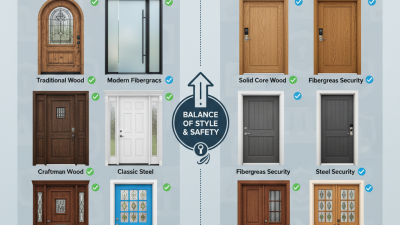
Steel doors offer strong security and stable performance, but their surfaces can dent or develop rust when coatings fail. Solid wood doors provide warmth and character, although they need careful sealing and regular inspection. Fiberglass doors often balance durability, insulation, and low maintenance. However, quality differs greatly between manufacturers. Not every fiberglass door feels equally solid.
An experienced installer will examine the frame, threshold, hinges, weatherstripping, and wall condition before recommending a replacement. Even an excellent slab can perform poorly inside a crooked frame. That point is easy to overlook. Reliable guidance should include tested energy ratings, clear warranty terms, and installation details. Local building requirements also deserve attention, especially for fire-rated or accessible entrances.
The best home doors are not always the most expensive ones. They are the doors that fit the property and remain dependable through changing seasons. A homeowner might prefer oak’s natural grain, then regret its maintenance after one wet winter. Another might choose steel for security and dislike its colder appearance. This decision requires honest trade-offs, not a single universal answer. Testing samples, checking independent product information, and discussing site conditions with a qualified professional can lead to a more confident choice.
Define “Best” Through NFRC U-Factor, Air Leakage, and ENERGY STAR Data
What Is the Best Type of Home Door?
Define “Best” Through NFRC U-Factor, Air Leakage, and ENERGY STAR Data
The best home door is not simply the thickest, heaviest, or most expensive option. It should match your climate, entry exposure, and installation quality. NFRC data provides a practical starting point. Its U-factor measures heat flow through the door assembly. Lower values usually indicate better insulation and less winter heat loss. In a cold hallway, that difference can affect comfort near the threshold.
Air leakage matters just as much. This rating shows how much air passes through the tested door assembly. Lower numbers indicate a tighter product. Look for the measured value, not vague phrases such as “weather resistant.” A door can have a strong core but perform poorly when the frame is crooked or the sweep is compressed. In field inspections, small installation gaps often defeat impressive specifications. That is easy to overlook.
ENERGY STAR data can narrow the field because certified products meet established efficiency requirements for their category and climate zone. Still, certification does not guarantee the best result for every home. Compare U-factor and air leakage on the NFRC label, using similar sizes and configurations. Check glazing, sidelites, and hardware when listed separately. Ask how the sill will shed rain and how the frame will be sealed. A lower U-factor may matter less than a badly fitted door. Measure twice. Think beyond the label.
Compare Fiberglass, Steel, Wood, and Composite Doors by R-Value
What Is the Best Type of Home Door?
R-value measures resistance to heat flow, but door performance depends on more than insulation. Fiberglass doors often contain polyurethane foam and may reach R-5 to R-7. They resist moisture, dents, and temperature changes. Steel doors can offer similar R-values when foam-filled. However, uninsulated steel transfers heat quickly and may feel cold beside a warm hallway.
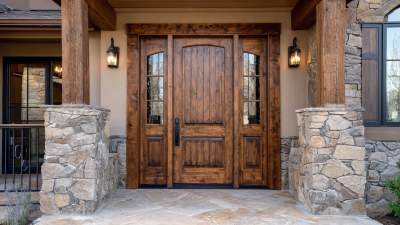
Wood doors provide natural character and moderate insulation, usually with lower R-values than insulated fiberglass or steel. Their performance can change with moisture, age, and panel thickness. Composite doors vary widely because their cores and skins differ. A well-built composite door may compete with fiberglass, but its advertised R-value needs careful checking. Numbers can describe the slab only, not the complete installed assembly. That distinction is easy to miss.
Tips:
Ask for the whole-door R-value, not only the core rating. Inspect the weatherstripping around all four edges. Check whether the threshold includes an adjustable seal. A small gap matters. Consider low-e glass, because door windows can weaken overall insulation. In colder climates, an insulated steel or fiberglass door is often practical. In humid areas, fiberglass or composite may need less maintenance than wood. My own judgment would not rely on R-value alone; installation quality sometimes matters more than one extra rating point.
Assess Security Hardware Through ANSI/BHMA A156 Grade Standards
What Is the Best Type of Home Door?
A strong home door needs more than a solid panel. Its lock, hinges, strike plate, and frame must work together. ANSI/BHMA A156 grade standards offer a practical way to compare security hardware. These standards measure factors such as strength, durability, cycle testing, and resistance to forced operation. They do not rate the entire door assembly.
Grade 1 hardware provides the highest performance level in this classification. It suits homes needing demanding daily use and stronger security margins. Grade 2 offers dependable residential performance for many entrances. Grade 3 generally serves lighter-duty residential applications. However, a higher grade cannot correct a weak frame or poor installation. That detail is often overlooked.
Check the exact standard listed for the lock type. Different hardware categories may use different A156 sections and test requirements. Look for clear grade information, installation instructions, and tested dimensions. During a practical inspection, I would examine the strike screws, door alignment, hinge attachment, and frame condition. Short screws may loosen under repeated impact. A beautifully rated lock can still underperform there.
Do not choose by grade alone. Consider the door’s weight, exposure, traffic, and maintenance needs. A grade label is evidence, not a guarantee. Even experienced installers can miss small alignment problems. Test the latch with the door closed, then inspect whether the bolt enters the strike cleanly. That simple check reveals more than appearance.
Verify Accessibility with ADA’s 32-Inch Clear Opening Requirement
What Is the Best Type of Home Door?
A beautiful door is not automatically an accessible door. The practical starting point is the clear opening. Under the ADA Standards, an accessible door should provide at least 32 inches of clear width when opened 90 degrees. This measurement runs between the door face and the stop, not from one outer edge to another. That small difference can change the result.
Measure the doorway carefully.
I once saw a renovation plan that listed a 36-inch door, yet its clear opening was narrower because of thick hardware and trim. That assumption was wrong. A swing door may work well, but it needs enough space for a wheelchair user to approach, turn, and pull or push the door. Lever hardware is usually easier to operate than a round knob. A low threshold also reduces trips and rolling resistance.
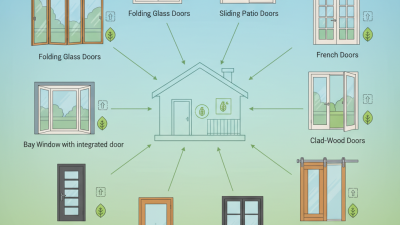
Sliding doors can save floor space, but their tracks must remain smooth and level. Pocket doors may offer a wide opening, although their frames can limit hardware choices. The best type depends on the user, room layout, and available maneuvering space. ADA rules generally apply to covered public facilities, not every private residence. Local building requirements may still differ. Check them before ordering materials. Even experienced installers can miss the final opening after flooring, weatherstripping, and casing are added. Measure again after installation.
What Is the Best Type of Home Door?
Verify accessibility with the ADA's 32-inch clear opening requirement
ADA standards require at least a 32-inch clear opening when a door is open 90 degrees.
The same minimum applies to one accessible leaf of a pair of doors. Because nominal door
width does not equal clear opening width, measure the finished opening rather than relying
only on the door label. A hinged, sliding, or folding door can work if it provides the
required clearance, maneuvering space, and operating hardware.
The chart reflects the ADA clear-width requirement in inches. ADA rules generally apply to
covered public accommodations and commercial facilities; local residential requirements
may differ. Thresholds are generally limited to 1/2 inch where permitted.