China has become a major sourcing base for window doors, serving residential, commercial, and industrial projects worldwide. Its manufacturers offer aluminium systems, uPVC profiles, thermal-break frames, curtain walls, and customized entry doors. Yet product variety can hide important differences in engineering quality.
The U.S. Department of Energy reports that windows may cause 25–30% of residential heating and cooling energy use. That figure makes frame design, glazing, sealing, and installation more than cosmetic choices. The International Energy Agency also identifies building-envelope performance as a critical path toward lower building energy demand. Buyers should therefore compare U-factor, solar heat gain coefficient, air leakage, water resistance, hardware durability, and testing evidence. Look beyond the showroom sample.
Building-science expert Dr. Joe Lstiburek offers a useful warning: “Windows are holes in walls.” The phrase sounds simple. It captures the risk. A beautiful window door can still fail through poor flashing, weak drainage, or inconsistent factory control. This guide reviews China’s top 10 window doors suppliers for global buyers, focusing on manufacturing experience, export capability, certifications, customization, warranty clarity, and quality assurance. Supplier rankings are never perfect. Market data changes, project needs differ, and online claims require verification. Factory audits, sample testing, and references remain essential. A polished website is not proof. Ask for test reports, production photos, installation details, and recent project evidence before making a decision.
China’s window and door market serves residential, commercial, and renovation projects worldwide. Grand View Research identifies energy efficiency as a major global market driver. The report also highlights growing demand for insulated frames and low-emissivity glass. Our ranking therefore examines more than factory size. It considers verified export experience, production capacity, material traceability, and quality control.
UN Comtrade trade records help assess international shipping activity through relevant HS codes, including aluminum structures and plastic building components. We also review ISO 9001 systems, laboratory test reports, and compliance with EN, ASTM, or local standards. A supplier with excellent photographs but weak test evidence should not rank highly. That mistake happens often. Product performance must be checked through air leakage, water resistance, wind load, and thermal transmittance data. U.S. Department of Energy guidance confirms that glazing and frame performance strongly influence building energy use.
Tips: Request recent test reports, factory videos, sample corners, packing images, and export references. Compare U-values, hardware specifications, warranty terms, and replacement procedures. Do not trust one certificate alone. Audit records may be incomplete, and some ratings vary by testing method. A careful buyer should confirm the report number with the issuing laboratory and match every result to the exact profile, glass, and hardware configuration.
A practical review of China’s top ten window and door suppliers should examine factories, not catalog photographs.
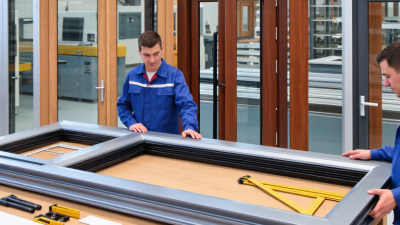
The strongest manufacturers usually operate automated cutting lines, thermal-break assembly stations, and insulated-glass workshops. Some also maintain powder-coating and testing facilities in-house. This reduces transfer damage and improves batch consistency. Still, factory size can mislead. A large workshop may have weak project management.
Energy performance deserves close attention.
The International Energy Agency reports that buildings consume about 30% of global final energy. Therefore, experienced suppliers should provide U-values, air-tightness results, solar heat-gain data, and material certificates. Leading profiles often include engineers who can adjust frame depth, gasket selection, and glass specifications for different climates. Buyers should inspect sample corners, drainage holes, and hardware fixing points. Small details often reveal manufacturing discipline.
Export capability is equally important.
The World Bank’s Logistics Performance Index 2023 placed China 19th globally, with a score of 3.7. This supports strong logistics infrastructure, but it does not guarantee every supplier performs well. Reliable exporters should offer clear Incoterms, moisture-resistant packing, container-loading photos, and traceable production schedules. Many can coordinate mixed containers and provide installation drawings. However, communication delays still occur, especially when drawings change late. A careful buyer should request references, third-party inspection records, and a pilot order before committing to large volumes.
China Top 10 Window Doors Suppliers for Global Buyers
Main Window and Door Product Categories for Global Buyers
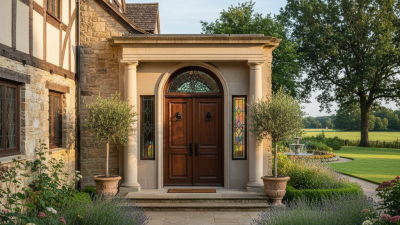
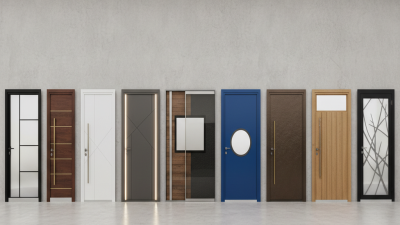
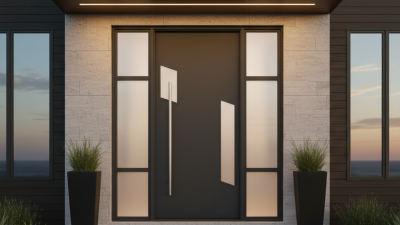
Global buyers usually compare more than appearance. The main window categories include casement, sliding, tilt-and-turn, awning, and fixed windows. Aluminum frames suit large openings and humid climates. uPVC windows offer practical insulation and lower maintenance. Timber windows create warmth, but they need careful coating and moisture control. Door categories include hinged entry doors, sliding patio doors, lift-and-slide systems, folding doors, and aluminum-framed glass doors. Each design affects ventilation, daylight, security, and installation time.
Tips: Request section drawings, hardware details, glass specifications, and test reports before comparing prices. Check thermal performance, water resistance, wind-load data, and corrosion protection for the destination climate. Confirm opening direction and rough-opening sizes early. Small measurement errors can delay an entire project.
A reliable supplier should explain material grades, surface treatments, glazing options, and replacement-part support clearly. Packaging also matters; corner protection and moisture barriers reduce damage during long-distance transport. Certifications can support credibility, but buyers should verify their scope and validity. A perfect specification rarely exists. Oversized glass may improve views, yet it can increase weight, cost, and installation risk. I would rather accept a modest design adjustment than ignore local weather and building conditions. Supplier communication should be documented, especially for color samples, tolerances, delivery schedules, and warranty limits.
| No. | Main Product Category | Primary Material | Common Opening Type | Typical Performance Data | Typical Applications | Relevant Global Standards |
|---|---|---|---|---|---|---|
| 1 | uPVC Casement Windows | Multi-chamber unplasticized PVC with galvanized steel reinforcement | Side-hung or top-hung inward/outward opening | Typical U-value: approximately 1.0–1.8 W/m²·K; double or triple insulating glass; multi-point locking available | Residential buildings, apartments, schools, and low-rise commercial projects | EN 14351-1, EN 12608, ASTM E2112 |
| 2 | Aluminum Thermal-Break Windows | Powder-coated or anodized aluminum with polyamide thermal barrier | Casement, awning, tilt-and-turn, or fixed glazing | Typical U-value: approximately 1.2–2.2 W/m²·K; thermal-break widths commonly 20–34 mm | High-rise residential, offices, hotels, and modern commercial façades | EN 14351-1, EN 14024, AAMA 507 |
| 3 | Aluminum Sliding Windows | Aluminum alloy frames; non-thermal-break or thermally improved systems | Horizontal sliding panels on rollers | Large ventilation openings; typical glazing thickness: 5–28 mm; optional double glazing | Balconies, residential rooms, offices, and buildings requiring space-saving operation | EN 14351-1, ASTM E283, ASTM E331 |
| 4 | Lift-and-Slide Doors | Thermally broken aluminum or engineered uPVC | Large sliding leaves lifted by handle-operated hardware | Common sash weights: up to approximately 400–600 kg, depending on hardware; low-threshold options available | Luxury residences, villas, hotels, terraces, and indoor-outdoor living areas | EN 14351-1, EN 1627, AAMA 101 |
| 5 | Bi-Folding Doors | Thermally broken aluminum, with optional uPVC or timber alternatives | Multiple hinged panels folding to one or both sides | Typical panel widths: approximately 600–1,200 mm; double or triple insulating glass options | Patios, restaurants, cafés, villas, and event spaces | EN 14351-1, EN 12207, EN 12208 |
| 6 | Wood-Aluminum Composite Windows | Engineered timber interior with protective aluminum exterior cladding | Casement, tilt-and-turn, or fixed glazing | Typical U-value: approximately 0.8–1.5 W/m²·K with high-performance insulating glass | Premium homes, heritage-style projects, hotels, and energy-efficient buildings | EN 14351-1, EN 14975, FSC chain-of-custody requirements where specified |
| 7 | Steel Security and Fire-Rated Doors | Galvanized or stainless steel with mineral wool or honeycomb core | Single or double swing; panic-exit hardware available | Fire-resistance ratings commonly specified from 30 to 120 minutes, subject to tested assembly | Plant rooms, apartment entrances, warehouses, stairwells, and commercial buildings | EN 16034, EN 1634-1, UL 10C, NFPA 252 |
| 8 | Aluminum Curtain Wall Systems | Extruded aluminum mullions, transoms, pressure plates, and insulating glass | Fixed façade panels with integrated operable vents where required | Typical glazed module widths: approximately 1,200–1,800 mm; thermal and structural design must be project-specific | Office towers, shopping centers, airports, hotels, and institutional façades | EN 13830, ASTM C1401, AAMA 501.2 |
| 9 | Aluminum Entrance Doors | Powder-coated or anodized aluminum with insulated panels or safety glazing | Single or double outswing/inswing door leaves | Typical leaf thickness: approximately 45–80 mm; concealed closers and multi-point locks available | Residential entrances, offices, retail stores, schools, and public buildings | EN 14351-1, EN 1627, ASTM F842 |
| 10 | Roof Windows and Skylights | Aluminum, uPVC, or timber frame with laminated or insulated glazing | Top-hung, center-pivot, fixed, or electrically operated opening | Low-E double glazing commonly used; laminated inner glass helps improve overhead safety | Attics, atriums, industrial roofs, stairwells, and daylighting applications | EN 14351-1, EN 1873, EN 12150, ASTM E2112 |
Note: Performance figures are typical specification ranges for international procurement and may vary according to system design, glazing configuration, hardware, dimensions, local climate, and project testing requirements.
For global buyers, comparing China’s top 10 window and door suppliers should begin with evidence, not catalog photos. In factory audits, I look for documented quality systems, incoming material checks, and batch traceability. Reliable producers can explain test methods for air leakage, water tightness, wind resistance, and thermal performance. Ask whether reports match the exact profile, glass, and hardware combination. A certificate alone proves little. Details matter.
Customization should be practical, not merely decorative. Suppliers may adjust frame dimensions, glazing, colors, opening styles, insect screens, and security hardware. Request shop drawings and a physical sample before mass production. Production services also include tooling guidance, prototype review, pre-shipment inspection, protective packaging, and accurate export documents. Lead times must include approval changes and material availability. I have seen attractive quotations fail because small revisions were never recorded. That weakness is easy to miss.
Tips: Share climate data, wall openings, performance targets, and installation conditions. Confirm tolerances in writing. Use one approved drawing. Check corner joints, drainage holes, gasket fit, and glass labels during inspection. Keep spare hardware available. If a supplier resists independent checks, pause the order. Good cooperation matters, but it should never replace measurable acceptance criteria.
Aggregated benchmark of commonly disclosed capabilities among ten established Chinese window and door suppliers. The indicators cover quality standards, customization, and production services; percentages represent the share of supplier profiles reporting each capability.
Price is not the quotation on the first page. Ask for a line-by-line offer covering profiles, glass, hardware, packaging, inspection, and inland delivery. Then compare FOB, CIF, and DDP with destination taxes and installation costs. The World Bank’s 2023 Logistics Performance Index places China 19th, with a score of 3.7. This supports strong export infrastructure, but it does not remove port delays. Small details matter.
UNCTAD’s Review of Maritime Transport 2024 reports that ships carry over 80% of global merchandise trade by volume. Container rates still change with route, season, and equipment availability. Use a current freight quotation, not an old spreadsheet. Request its validity period, free storage days, container loading plan, and damage procedure. A supplier offering the lowest price may reduce glass thickness or hardware quality. That risk is easy to miss.
When screening ten suppliers, request factory records, recent project references, product samples, and third-party test reports. Check thermal performance, water resistance, wind-load data, and coating durability for your climate. A factory video proves little. An on-site audit or independent inspection is stronger evidence. I would not trust a perfect promise. A ten-day lead time may hide incomplete production or rushed packaging. Leave a practical buffer for revisions, customs checks, and broken units. A written warranty should name response times, replacement terms, and who pays freight.