2026 How to Choose the Best Metal Exterior Doors for Your Home?
Choosing the right metal exterior doors for your home is crucial. They are not just entrances; they provide security and enhance aesthetics. Metal doors come in various styles and finishes, making them versatile options.
When selecting metal exterior doors, consider durability and insulation. These doors resist weather elements and offer excellent protection. However, some might overlook the importance of design. A door should complement your home's architecture. This aspect can be easily forgotten amid practicality.
Think about the long-term investment. A good metal door can last for decades, reflecting a mix of strength and style. Yet, the options can be overwhelming. It is essential to explore various designs and materials. Take your time when choosing; this decision impacts your home’s appeal and security.
Understanding the Benefits of Metal Exterior Doors for Home Security
When considering metal exterior doors, security should be your top priority. These doors often feature solid steel construction. This adds a layer of strength against break-ins. Many metal doors now include reinforced frames. This provides extra protection where it matters most.
One major benefit is their resistance to wear and tear. Unlike wood, metals are not prone to warping. This means they maintain their shape over time. However, they can rust; regular maintenance is necessary. A little corrosion can ruin an otherwise sturdy door.
A drawback to consider is insulation. While many metal doors come with insulation, not all do. This can affect energy efficiency in your home. When evaluating options, think about your local climate. Uneven temperatures can result in drafts. It’s crucial to find a door that balances durability with insulation.
Benefits of Metal Exterior Doors for Home Security in 2026
Factors to Consider When Choosing Metal Exterior Doors for Your Climate
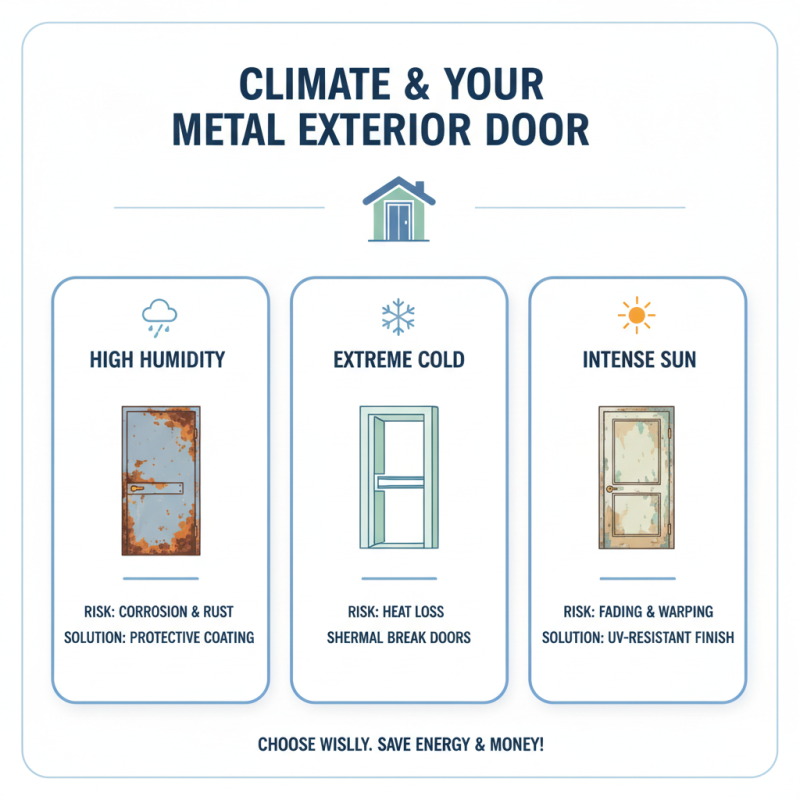
Choosing the right metal exterior door involves considering your local climate. Different weather conditions can impact the durability and efficiency of your door. For instance, areas with high humidity can cause corrosion. Opt for a door with a protective coating to minimize rust.
In cold climates, thermal insulation is vital. Metal doors can conduct heat, leading to energy loss. Look for options with added insulation. This can help maintain warmth indoors. In contrast, regions with intense sun exposure need UV-resistant finishes. A door that fades quickly can detract from your home’s aesthetic appeal.
Think about the door's maintenance needs as well. Some finishes require regular upkeep, while others are low-maintenance. Striking a balance between beauty and practicality can be tricky. Reflect on your lifestyle. If you prefer less maintenance, go for finishes that withstand the elements. Make sure to weigh your options carefully.
Exploring Different Styles and Designs of Metal Exterior Doors
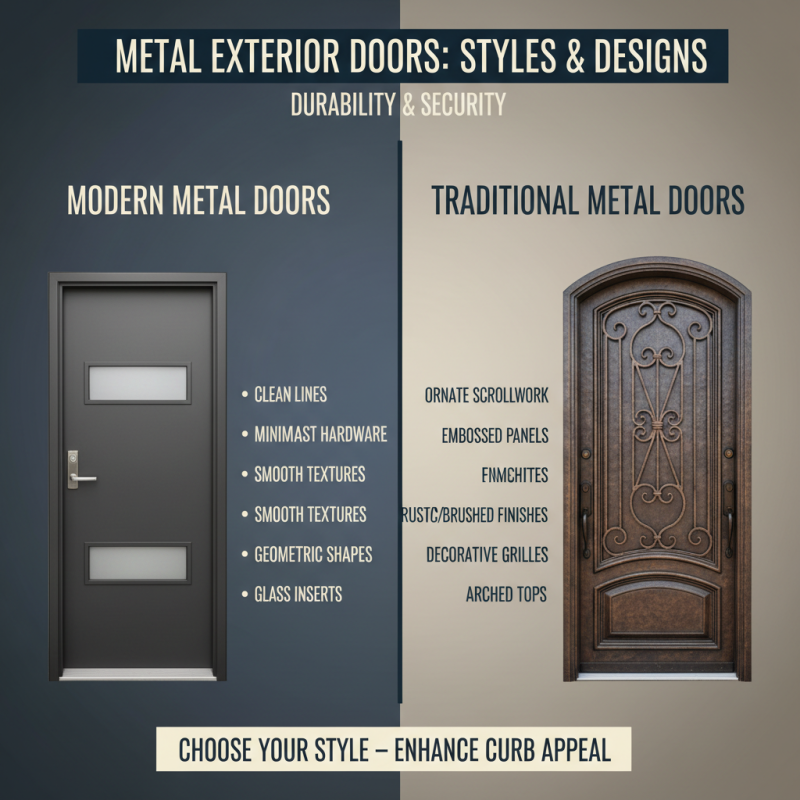
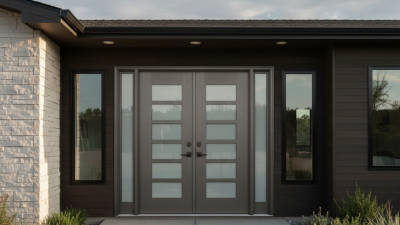
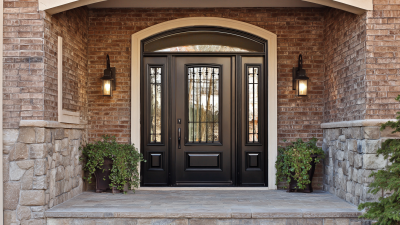
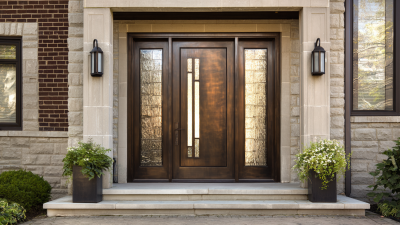
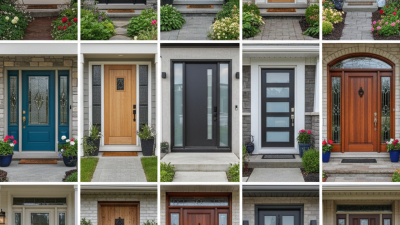
When exploring different styles and designs of metal exterior doors, it’s essential to consider various factors. Metal doors offer durability and security, but their designs vary widely. You can choose between sleek, modern styles or more ornate, traditional looks. The finish can range from smooth textures to rustic, brushed surfaces.
Some homeowners might lean towards a minimalist design, thinking it’s easier to maintain. However, intricate patterns can bring a unique flair. Choosing bold colors can create a striking entrance. Yet, how does one balance aesthetics with functionality? It can be tricky. You want a door that enhances your home’s overall look while providing the strength you need.
Don’t forget about insulation and energy efficiency. Metal doors can sometimes lack the warmth of wood. Consider adding thermal breaks or insulated cores to improve energy retention. Reflecting on these details can lead you to that perfect choice, one that complements your home’s character while ensuring safety and comfort.
Comparing Insulation Properties of Metal Doors vs. Other Materials
When choosing metal exterior doors, insulation properties are crucial. Metal doors can offer superior insulation compared to wood or fiberglass. Their dense structure limits airflow. This helps maintain a consistent indoor temperature.
However, not all metal doors have the same insulation qualities. Some may require additional insulation layers to compete with other materials. Poorly insulated metal doors can lead to increased energy bills. Homeowners might overlook this aspect during their selection. It's essential to consider energy efficiency and thermal breaks while exploring options.
Then there’s the varying design of metal doors. Streamlined designs often emphasize durability but may compromise insulation. On the other hand, heavily insulated metal doors may seem bulkier. It’s a balancing act between aesthetics and energy efficiency. Make sure to evaluate both before making a final decision. This way, you'll choose not just a door, but a partner in energy savings.
2026 How to Choose the Best Metal Exterior Doors for Your Home? - Comparing Insulation Properties of Metal Doors vs. Other Materials
| Door Material |
Insulation R-Value |
Energy Efficiency |
Durability |
Cost Range |
| Metal Doors |
R-Value: 5.0 - 7.0 |
High |
Very Durable |
$200 - $1,500 |
| Fiberglass Doors |
R-Value: 6.0 - 8.0 |
High |
Durable |
$300 - $2,000 |
| Wood Doors |
R-Value: 3.0 - 5.0 |
Moderate |
Moderately Durable |
$400 - $3,500 |
| Vinyl Doors |
R-Value: 4.0 - 6.0 |
High |
Lower Durability |
$250 - $1,800 |
Maintenance Tips for Ensuring Longevity of Metal Exterior Doors
Maintaining metal exterior doors is crucial for their longevity. Regular cleaning helps prevent rust and corrosion. A simple soap and water solution works effectively. Use a soft cloth to wipe the surface. This keeps your doors looking fresh. After cleaning, inspect for scratches or dents. Apply touch-up paint if necessary.
Weatherstripping is another essential maintenance task. Check seals regularly to ensure they are intact. Gaps can lead to energy loss and higher utility bills. You might need to replace weatherstripping occasionally. This step is often overlooked but greatly affects insulation.
Consider lubricating the hinges and locks. A few drops of oil can prevent squeaking and sticking. However, avoid over-lubricating as it can attract dirt. Sometimes, a deeper inspection is needed. If the door is misaligned, adjustments may take some time. Don't rush; take it step by step.