What Types of Contemporary Front Doors Are Most Popular?
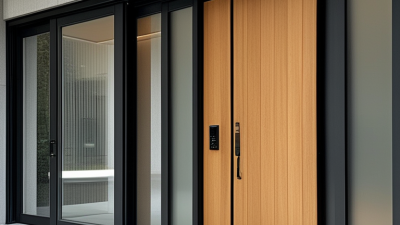
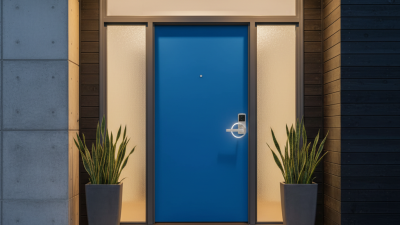
Contemporary front doors do more than mark an entrance. They shape a home’s first impression, bring daylight into a hallway, and help manage weather, noise, and privacy. Popular designs often pair clean lines with practical materials. A flat, flush door can give a facade a calm, uncluttered look. A door with narrow glass panels feels lighter without exposing the whole interior. Subtle, but noticeable.
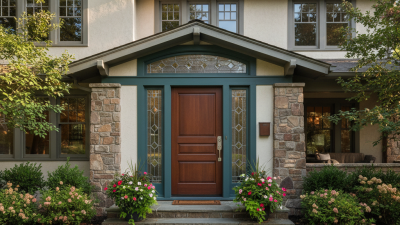
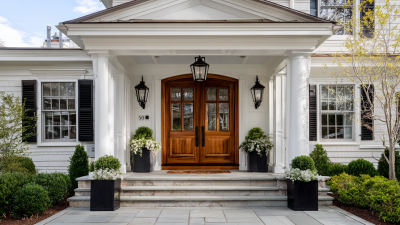
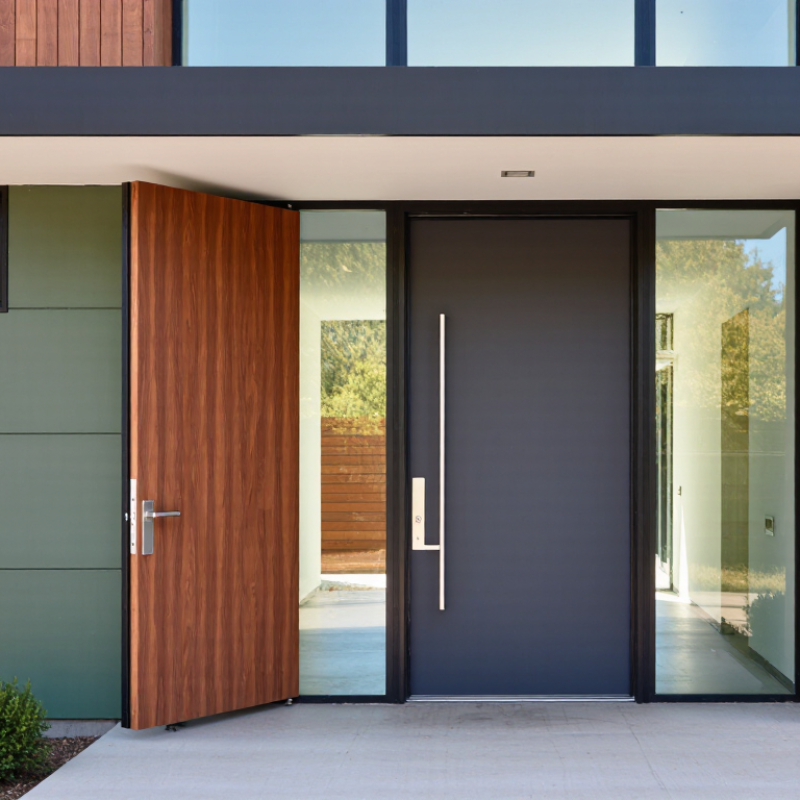
Homeowners also choose pivot doors for their wide, dramatic movement. These need careful planning, since their size and hardware can affect installation and daily use. Slim-framed glass doors suit modern homes with bright entryways, while timber doors add visible grain and warmth. Black, charcoal, and muted green finishes remain common, though local architecture and personal taste matter more than a passing trend.
Materials deserve as much attention as appearance. Fiberglass can imitate wood grain and usually needs less routine upkeep than many timber finishes. Steel offers a solid feel, but its finish and insulation details still matter. Check the manufacturer’s specifications for weather resistance, glazing, and security features; performance varies by product and installation. A beautiful door can disappoint if it sticks after heavy rain or leaves a draft near the threshold. That is easy to overlook in showroom photos.
This guide compares the most popular contemporary front doors by style, material, and practical fit. It also considers where each option works best, what maintenance it may require, and which details are worth checking before purchase. Popularity is a useful starting point, not a guarantee of the right choice.
What Defines a Contemporary Front Door?
A contemporary front door is defined by clarity rather than decoration. Its surface often uses clean lines, broad panels, and minimal visual interruption. Flush designs are especially popular because they create a calm, architectural entrance.
Material choices also shape the look. Smooth timber, textured composite surfaces, metal, and frosted glass can all appear contemporary when used with restraint. A narrow glass panel may bring daylight into a dark hallway without exposing the entire interior. It feels practical.
The hardware should support the design, not compete with it. Long pull handles, concealed hinges, and simple locks usually suit this style. During home improvement projects, I have noticed that proportions matter more than expensive finishes. A large door can look impressive, but it may feel awkward beside a small porch. Not always better.
Energy performance is part of a modern definition too. A well-sealed frame, insulated core, and suitable glazing help reduce drafts and outside noise. Security features should be considered early, especially when choosing large glass sections. Local weather also matters; a design that works in a dry climate may need different materials near heavy rain or coastal air. Contemporary style is not only about appearance. It is the careful balance between form, comfort, durability, and daily use.
What Types of Contemporary Front Doors Are Most Popular?
A qualitative editorial index of commonly seen contemporary styles—not measured sales or survey results.
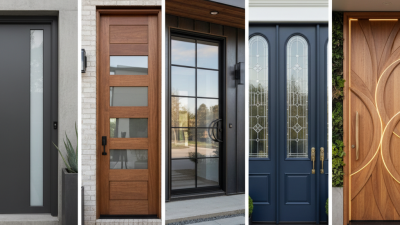
What defines a contemporary front door? Clean lines, simple detailing, modern materials, and glazing used for light or visual contrast. Popular design directions include minimalist flush panels, glass-panel doors, wood-look finishes, and bold colors.
How Materials Shape Door Design and Performance
What Types of Contemporary Front Doors Are Most Popular?
How Materials Shape Door Design and Performance
Contemporary front doors increasingly combine clean lines with measurable performance. Fiberglass remains popular because it resists moisture, dents, and daily temperature changes. Steel offers strong security and slim profiles, but exposed edges can rust when coatings fail. Wood provides natural grain and warmth. It also demands more maintenance than many homeowners expect. Aluminum supports large glass panels and narrow frames, although thermal performance depends heavily on insulated construction.
Material choice affects comfort, not only appearance. The U.S. Department of Energy reports that windows account for roughly 25–30% of residential heating and cooling energy use. A glazed entry door can create similar weak points when its frame, glass, or weatherstripping performs poorly. Look for NFRC-rated glazing, insulated cores, and continuous weather seals. The National Fenestration Rating Council evaluates U-factor and solar heat gain, giving buyers comparable performance information. These labels are useful, though they cannot predict every installation problem.
Tips: Check the door’s U-factor, air-leakage rating, and threshold design. Ask how the finish handles direct afternoon sun. Measure the opening twice. Small errors become expensive quickly. In coastal or rainy areas, fiberglass may be the safer choice. In a shaded, carefully maintained entrance, wood can feel more authentic. Yet many design decisions still favor appearance first, and that is where performance is sometimes overlooked.
Glass, Privacy, and Natural Light
Contemporary front doors increasingly use glass to make narrow entrances feel brighter and more welcoming. Full-glass doors suit modern homes with private front gardens or sheltered porches. Doors with narrow glazed panels offer a stronger sense of enclosure. Sidelights can also widen the entrance without requiring a larger door leaf. In daily use, the difference is noticeable: morning light reaches the hallway, and the entry feels less confined.
Privacy remains the deciding factor for many homeowners. Clear glass provides maximum brightness, but it can expose movement, furniture, and evening routines. Frosted, reeded, or textured glass softens views while still admitting useful daylight. Translucent glass is not completely private from close range. At night, interior lighting can reveal silhouettes. Layered window coverings or adjustable blinds may therefore be worth considering.
Safety and performance need equal attention. Tempered or laminated glazing can improve impact resistance, while low-emissivity glass may reduce heat loss. The door should also have reliable seals, secure hardware, and careful installation. Orientation matters; west-facing glass can create glare and unwanted afternoon heat. I once preferred a clear panel for a dim entrance, but the occupants later found it too exposed. That experience changed my advice. Test privacy at different times of day, not only in a showroom. A beautiful entrance can still feel uncomfortable when every shadow is visible.
Choosing a Door for Your Home’s Architecture
What Types of Contemporary Front Doors Are Most Popular?
A contemporary front door should respond to your home’s architecture, not compete with it. For a clean, box-shaped house, a flush door with a narrow vertical glass panel creates a calm, balanced entrance. Its smooth surface suits concrete, metal, and simple timber cladding. On a mid-century home, a warm wood door with horizontal grain can echo the building’s low rooflines. Large pivot doors suit dramatic façades, but they need generous entry space and strong structural planning.
I have seen homeowners choose oversized glass doors for appearance, then regret the privacy and afternoon heat. Frosted or textured glazing offers daylight without exposing the hallway. According to the 2024 Cost vs. Value Report by Zonda, a steel entry door replacement recovered 188.1% of its cost nationally. That figure supports steel’s practical appeal, but resale value varies by location and installation quality. ENERGY STAR guidance also emphasizes insulated cores, tight weatherstripping, and low-emissivity glazing for better efficiency. These details matter more than a fashionable finish.
Color should follow the architecture’s visual weight. A charcoal door can anchor pale masonry, while natural wood softens dark façades. However, not every modern home needs black. That choice is becoming predictable. Check sightlines from the street, handle height, threshold drainage, and the door’s swing before ordering. A beautiful door can still feel wrong when it blocks a walkway or leaves a cold draft.