Top 10 Front Entry Doors to Enhance Your Home Value?
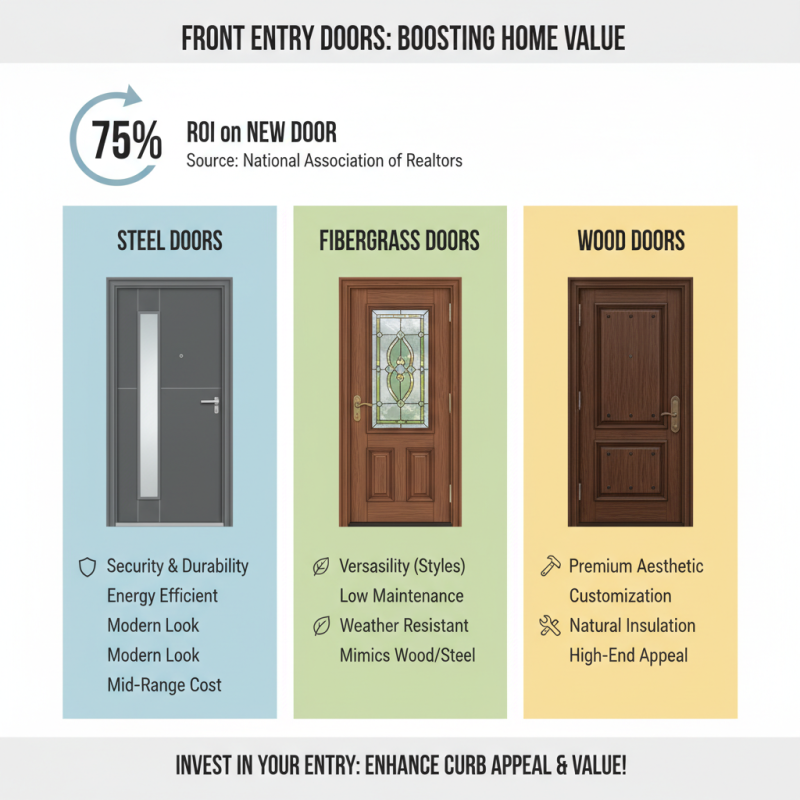
In the evolving real estate market, front entry doors are more than just a functional element; they can significantly boost your home's value. According to a recent report by the National Association of Realtors, upgrading your front entry door can yield a return on investment of up to 75%. This statistic highlights the importance of choosing the right door for your home.
Expert designer Laura Lee emphasizes this point: "The front entry door sets the tone for your entire home." Her insight reflects the industry's consensus on the crucial role of aesthetic appeal in increasing property value. A well-chosen front entry door enhances curb appeal and creates an inviting atmosphere.
However, not all doors are created equal. Many homeowners overlook the importance of material, color, and design. The right choices can elevate your home's entrance, but the wrong ones may turn potential buyers away. It’s essential to be mindful of current trends and personal style while balancing durability and security. Investing in high-quality front entry doors can be a reflection of your commitment to your property’s aesthetic and value.
Types of Front Entry Doors and Their Impact on Home Value
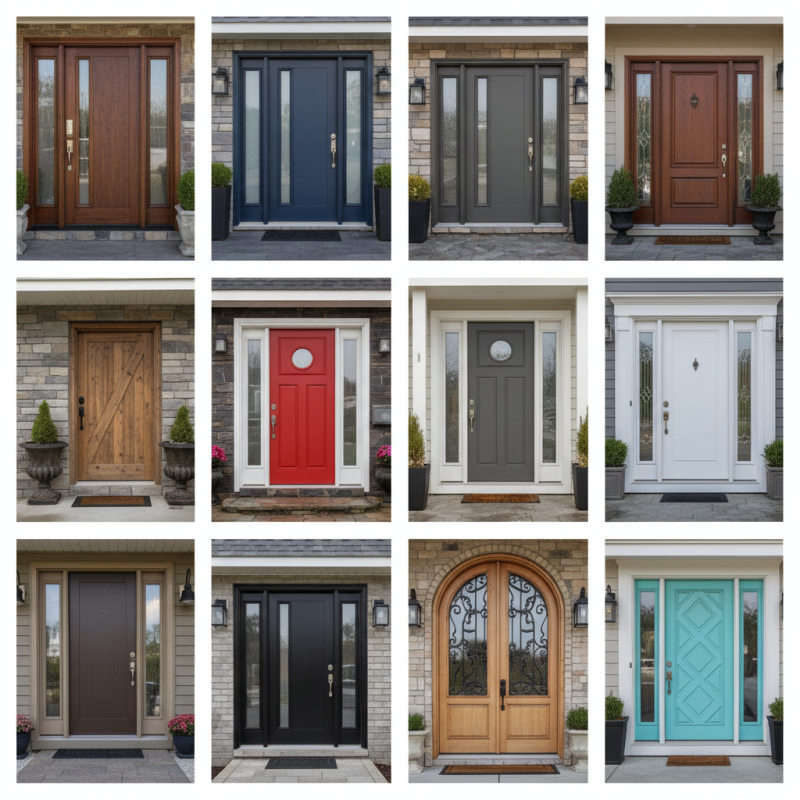
Front entry doors play a crucial role in defining a home's first impression. According to the National Association of Realtors, a new front door can yield around 75% return on investment. This statistic highlights why many homeowners are investing in quality doors. Different types of doors have varied impacts on a home's value.
Steel and fiberglass doors are increasingly popular. They offer enhanced security and insulation. A study by Remodeling Magazine found that steel doors can increase a home's value by approximately $1,500. In contrast, wooden doors, while aesthetically pleasing, may require ongoing maintenance. The upkeep can be a financial drain over time.
Unique styles can also influence perceived home value. For instance, modern and contemporary designs can attract a younger demographic. Yet, traditional styles may appeal to families seeking classic charm. The balance between personal preference and market demand is delicate. Homeowners may find it challenging to choose the right door that reflects both quality and style.
Materials and Durability: Choosing the Right Front Door for Your Home
Choosing the right front door involves more than just aesthetics.
Materials matter significantly. Popular options include
wood, fiberglass,
and steel. Each material has its pros and cons.
Wood doors can provide warmth and beauty but may require regular maintenance
to avoid warping. Fiberglass offers energy efficiency and durability.
However, some might find it less natural-looking. Steel doors are strong and
secure but can be prone to dents and rust.
Durability is a key concern for homeowners. An ideal door should
withstand weather changes and daily wear. However, many overlook how door placement
affects longevity. For instance, a door exposed to harsh sunlight may fade faster. Also, improper installation
can lead to air leaks, causing inefficiency. Regular inspections are often ignored, yet they are crucial.
Pay attention to your choice.
Do you prioritize security, style, or energy efficiency? Reflect on your environment. The right door
should complement your home’s character while also being functional. It's not just about appearances; consider
how it aligns with your long-term goals for your home.
Design Styles: Enhancing Curb Appeal with Front Entry Door Aesthetics
Choosing the right front entry door can significantly impact your home’s value. A well-designed door not only enhances curb appeal but also tells visitors about your style. According to a study by the National Association of Realtors, replacing an entry door can recoup nearly 75% of its cost in increased home value.
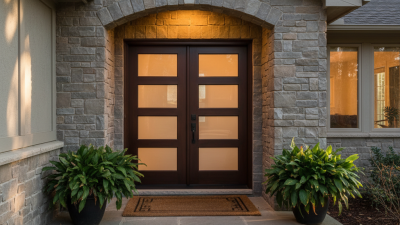
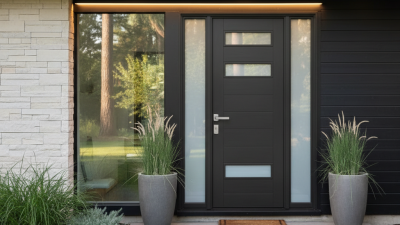
Different design styles cater to various tastes. For modern homes, sleek, glass-paneled doors create a chic entrance. Traditional homes often benefit from classic designs with ornate moldings. Rustic styles, featuring natural wood and decorative hardware, appeal to those seeking warmth. Think about your neighborhood's aesthetics when choosing a door. It should stand out, yet still fit in.
**Tip:** Consider energy-efficient doors. They can save on heating and cooling costs while also elevating home value.
Don’t rush the selection process. Sometimes, homeowners overlook functionality for design. A door that looks great but is hard to open or lacks security is a poor choice. Make sure you prioritize durability alongside aesthetics. It’s an investment that requires thoughtful consideration.
Top 10 Front Entry Doors to Enhance Your Home Value
Security Features: How Front Doors Can Improve Home Safety and Value
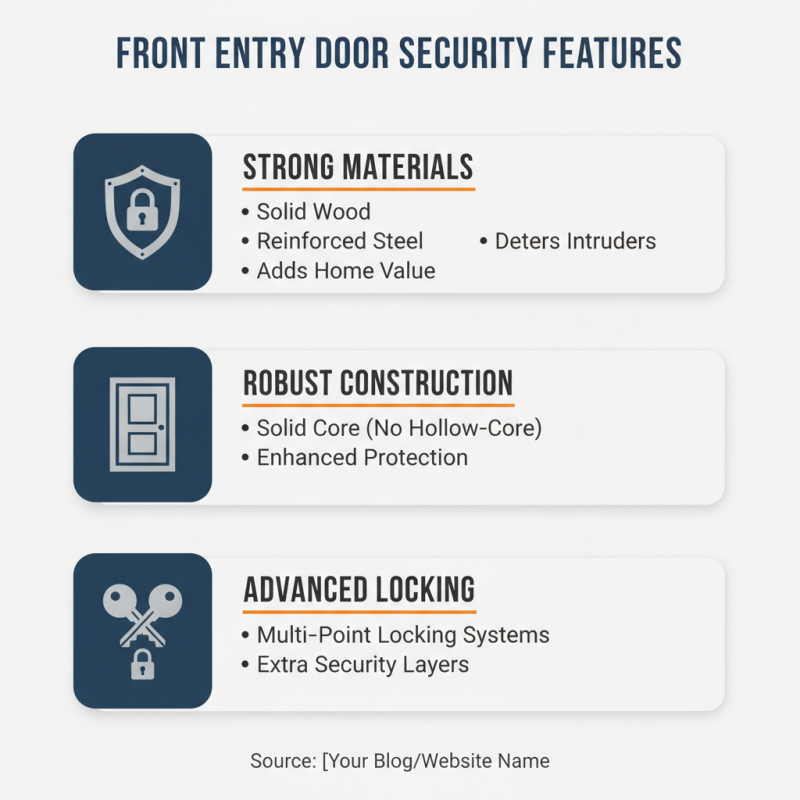
When choosing a front entry door, security features play a crucial role. A strong door not only deters intruders but also enhances your home’s value. Look for doors made of solid wood or reinforced steel. These materials provide better protection than hollow-core options. Unique locking systems, like deadbolts, add an extra layer of security.
Tips: Consider adding smart locks. These can be controlled remotely and allow you to monitor access. Also, install a peephole or video doorbell for added safety. These features increase appeal to potential buyers.
Improving safety is not only about the door itself. Quality hinges and sturdy frames are essential. Ensure the door fits well in the frame, with minimal gaps. Weather stripping can also prevent unwanted entry by pests and cold air.
Think about aesthetics as well. The right color and design can elevate a home's exterior. A well-chosen front door complements the architecture and attracts buyers. Reflect on how your choice influences perceptions of safety and style. A good door makes a statement, merging security with curb appeal.
Cost vs. Value: Analyzing the Return on Investment for New Front Doors
Upgrading your front entry door can significantly impact your home’s value. A stylish, durable door enhances curb appeal. Potential buyers notice first impressions. They often remember the entryway. A well-chosen door can make a house feel inviting.
Considering the cost versus value is essential. Some doors may cost more but offer lower returns. Understanding local market trends is vital. Safety and energy efficiency also play big roles. Investing in features that appeal to buyers can yield a better ROI. You might hesitate between options, unsure of best choices.
Remember, not all upgrades guarantee returns. Choosing the right style and materials can be challenging. Sometimes personal taste clashes with market demand. Research local preferences to avoid costly mistakes. Analyze what buyers in your area value most before making a decision.