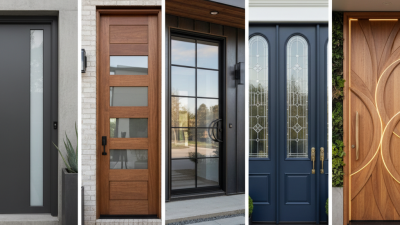
10 Best Modern Entry Doors for Security and Style

A front door does more than mark the entrance. It faces rain, street noise, daily use, and the first impression visitors carry inside. The best modern entry doors balance those demands with clean lines, thoughtful materials, and dependable hardware. But style alone is not security.

Architect Louis Sullivan’s well-known design principle, “form ever follows function,” offers a useful lens for choosing a door. Applied here, it means that a slim contemporary profile should still accommodate a strong frame, reliable lock, and suitable weather seals. The quote is not about doors specifically; it reminds us to judge appearance alongside performance.

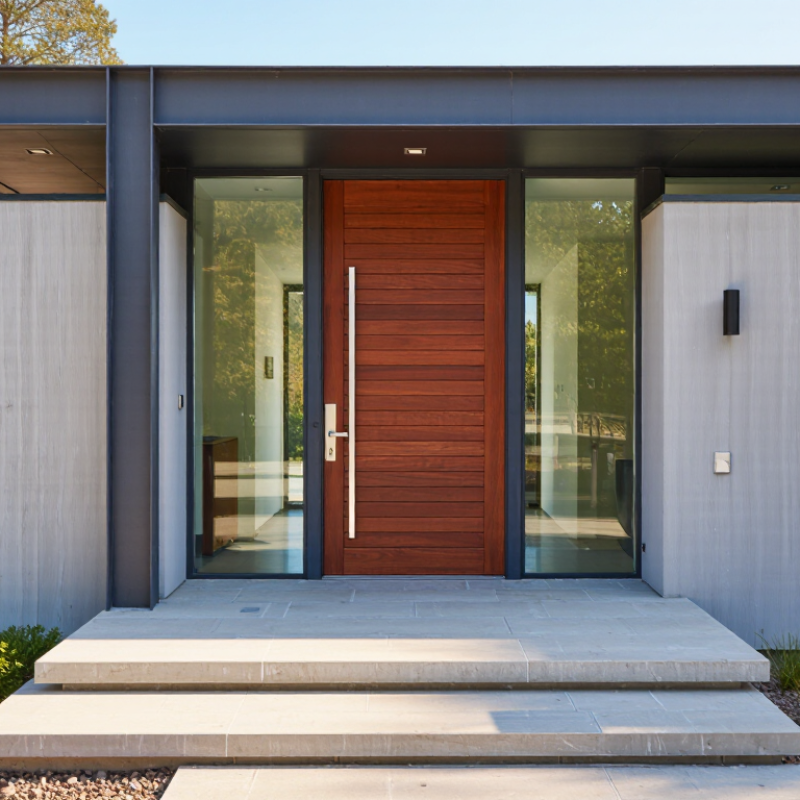
This guide compares ten modern entry doors, from warm wood designs to low-maintenance fiberglass and steel options. It considers glazing, finishes, hardware, upkeep, and the practical details that can affect security. A narrow glass panel may brighten a dim hallway, while a textured finish can soften a stark facade. Small choices matter.

Look beyond the showroom photo. Ask about the complete door system, including the frame, hinges, lock, and installation requirements. Security claims deserve scrutiny, and product specifications should be checked with the manufacturer or a qualified installer. Even an impressive door can disappoint if it is poorly fitted. That trade-off deserves thought. The right choice depends on your home, climate, budget, and comfort with maintenance—not just the trendiest design.

10 Best Modern Entry Doors for Security and Style

Define Entry Door Performance with NFRC U-Factor and SHGC Ratings

A modern entry door should resist forced entry and limit unwanted heat flow. NFRC labels make performance easier to compare: U-factor measures heat transfer, and lower values indicate better insulation. SHGC measures how much solar heat passes through glazing; a lower rating can reduce solar gain, though the best choice depends on climate and window exposure. Lower is better for U-factor. SHGC needs context.

The U.S. Energy Information Administration’s 2020 Residential Energy Consumption Survey reported that space heating used 42% of household energy, while air conditioning used 8%. These figures cover whole homes, not doors alone, but they show why envelope performance deserves attention. Compare NFRC-rated doors with similar glass areas and designs. A glass-heavy door and an insulated, mostly opaque door may perform very differently. A strong rating also cannot compensate for gaps around the frame or poor installation. It is easy to overvalue one number; the label is useful, but not the whole story.

Tips: Check the NFRC label for both U-factor and SHGC, especially on doors with glass panels. Ask how the frame, glazing, weatherstripping, and installation affect the complete assembly. Small details matter. Sources: NFRC, “Understanding the NFRC Label”; U.S. EIA, 2020 RECS.

Compare Steel, Fiberglass, and Wood by Durability and Maintenance Needs

Steel, fiberglass, and wood each balance durability, upkeep, and appearance differently. Steel offers a strong barrier and usually needs only occasional cleaning. However, a deep dent or chipped coating can expose metal to rust. Fiberglass resists moisture and everyday wear, making it a practical choice near rainy porches. Wood brings natural grain and a substantial feel, but its finish may need periodic repainting or resealing. The U.S. Department of Energy’s Energy Saver guidance also recommends checking door fit and weatherstripping, since gaps can undermine comfort regardless of material.

A material’s appeal depends on the home and its exposure. A shaded, sheltered doorway may suit wood well; a sun-baked or wet entry can demand more finish care. The 2024 Cost vs. Value report estimated a 188.1% cost recoup for a steel entry-door replacement. That figure reflects estimated resale value, not a durability test or guaranteed return. Useful context, but not the whole decision.

Tips: Inspect the lower corners and edges for moisture damage. Ask about finish-care instructions and warranty exclusions before choosing. Test the lock and hinges in person; a heavy door that sticks is not reassuring. And be honest about maintenance habits—an elegant wood door can become a chore.

Rank Ten Modern Designs by ANSI/BHMA Grade 1–3 Lock Ratings

A credible ranking of ten modern entry-door designs should score the lock separately from the door’s appearance. ANSI/BHMA A156.39 classifies residential locksets by tested performance, including operating cycles, strength, and finish. Its published benchmarks are 800,000 cycles for Grade 1, 400,000 for Grade 2, and 200,000 for Grade 3. Higher grades indicate more demanding test performance. They do not make a door impossible to force open.

Compare clean-lined glass, flush-panel, and wood-look designs by the verified rating of the fitted lockset, not by a sleek handle or digital keypad. Grade 1 deserves the strongest security score; Grade 2 can suit many homes; Grade 3 offers a lower tested threshold. Check the lock’s documentation against the applicable ANSI/BHMA standard. Also inspect the frame, strike plate, and installation: a strong lock in a loose frame is a weak combination. Details matter. The standard rates the lockset, not the whole entry system. That distinction is easy to miss. A rating chart cannot show whether a door closes smoothly on a rainy evening, either. Rank the designs with both test evidence and practical fit in view.

10 Best Modern Entry Doors for Security and Style

Illustrative ANSI/BHMA lock-grade pairings, ranked by commonly cited cycle benchmarks.

ANSI/BHMA grades apply to the lock, not the door design. The bars show commonly cited cycle benchmarks for Grade 1 (1,000,000), Grade 2 (400,000), and Grade 3 (200,000) bored locks. Pairings are illustrative recommendations, not ratings of the door styles; confirm the applicable standard and product specifications when choosing hardware.

Check Glazed Door Safety Against CPSC 16 CFR 1201 Requirements

A glazed entry door can brighten a narrow foyer, but the glass should be checked for impact safety as well as appearance. In the United States, CPSC 16 CFR Part 1201 sets safety requirements for certain architectural glazing materials used in doors and other locations. It includes Category I and Category II impact tests, with different performance levels. The category needed depends on the product and where it is installed, so do not assume every glass panel has the same rating.

Look for a permanent mark or label identifying the glazing and its category. Ask the supplier for documentation showing compliance with the applicable CPSC requirement, especially if a label is missing or hard to read. A thin decorative grid between glass panes does not, by itself, prove the glazing meets the standard. Check the paperwork. Also ask a qualified installer how the door’s size, position, and nearby floor level affect the required glazing. This step can feel fussy, and I might be tempted to skip it when the glass looks sturdy. Looks can mislead. CPSC glazing compliance addresses impact safety; it does not certify the lock, frame, or overall resistance to forced entry.

Match Door Style and Climate Needs to ENERGY STAR Criteria

A modern entry door should suit its climate before it suits a mood board. In cold regions, a well-insulated, mostly solid door can limit heat loss; in hot, sunny areas, careful glazing and a shaded entry can reduce unwanted heat. The U.S. Department of Energy estimates that windows account for about 25–30% of residential heating and cooling energy use. That figure is not door-specific, but it shows why glass area and placement deserve attention.

Check the current ENERGY STAR criteria for your climate zone, then compare the door’s rated U-factor and, where relevant, solar heat gain coefficient. Lower U-factor means better insulation; lower solar heat gain can help in sunny climates. ENERGY STAR certification provides a useful screening point, not a guarantee that a door fits every home. Measure the rough opening, inspect the sill, and ask how the frame and weatherstripping perform as a complete assembly. Small gaps matter. A beautiful narrow-glass design may still feel cold beside a drafty threshold. I have seen specifications look convincing on paper, yet installation details were the weak link. Choose a finish and panel style you like, but verify the rating label and climate match before ordering.

10 Best Modern Entry Doors for Security and Style — Match Door Style and Climate Needs to ENERGY STAR Criteria

Modern Door Style Common Construction Style and Glazing Climate Considerations Security Details to Specify ENERGY STAR and Energy Checks
Insulated flush steel Steel skins over an insulated core; available in smooth, unpaneled designs. Minimal, clean-lined appearance; typically opaque or offered with optional glazing. A practical choice for many climates when the slab, frame, seals, and installation are suitable for local weather. Protect the finish where scratches could expose steel to moisture. Use a properly reinforced lock area, a quality deadbolt, a reinforced strike plate, and long fasteners installed into structural framing. Check the exact door configuration in the ENERGY STAR certified product listings. Compare the applicable climate-zone criteria and the certified assembly’s NFRC U-factor and, where listed, SHGC.
Smooth fiberglass entry door Fiberglass-reinforced skins, commonly paired with an insulated core. Contemporary flat-panel or simple geometric designs; can be painted for a modern finish. Often considered where temperature swings or moisture make dimensional stability important. Performance still depends on the whole assembly and installation. Confirm that hinges, lock hardware, frame, and strike area are appropriate for the door’s weight and intended use; use a reinforced strike and properly anchored frame. ENERGY STAR eligibility is product- and configuration-specific, not guaranteed by fiberglass construction. Verify the exact model, glazing, frame, and applicable climate-zone certification.
Textured fiberglass with a wood-look finish Fiberglass skins molded with a wood-grain texture, generally over an insulated core. Combines a contemporary profile with a wood-like surface; available with or without glass inserts. Can be considered in humid or variable-weather locations, but exposed finishes and weather seals still require maintenance and suitable installation. Choose a complete door-and-frame system with a secure lock preparation; reinforce the strike and ensure hinges are fastened into structural framing. Do not infer certification from the material or appearance. Check the exact slab or prehung assembly and its listed energy ratings against the current criteria for the project’s climate zone.
Thermally improved steel with narrow vertical glazing Steel door construction with insulated areas and a slim glass lite; details vary by product. Vertical glazing brings in daylight while preserving a restrained, modern look. Glass can increase heat transfer compared with an opaque panel. Select appropriate glazing for the local climate and sun exposure, and confirm the complete assembly’s performance. For glazing near the lock, specify suitable safety glazing where required by code and consider glass placement, visibility, and secure hardware. Ratings must apply to the glazed configuration, not just an opaque version. Review the certified product listing and NFRC ratings for the exact glass and frame combination.
Fiberglass door with a small, high-positioned lite Insulated fiberglass slab with a compact glazed opening near the top. Provides daylight while retaining substantial opaque panel area. Compare glazing options for the local heating and cooling balance. Low-emissivity glass can affect energy performance, but the exact product rating is what matters. Ask whether the glass is safety-rated for its location under applicable codes. Keep the lock and other hardware properly reinforced and installed. Confirm that the exact glass size, glass type, frame, and door configuration appear in the certification record for the applicable climate zone.
Modern wood-and-glass entry door Wood construction with insulated or multi-pane glazing options, depending on the product. Natural grain adds warmth to minimalist architecture; glass can be arranged in narrow or geometric panels. Wood can respond to changes in moisture and temperature. Use a suitable finish, maintain it as directed, and pay close attention to weatherstripping and installation. Use a secure, well-fitted frame and appropriate lock hardware. Glass location and safety glazing should be reviewed for the site and local code. Wood alone does not establish energy eligibility. Check whether the exact complete door assembly is certified and compare its listed U-factor and applicable SHGC.
Full-lite modern entry door A large glazed panel in a door slab, with glass options that vary by product. Maximizes daylight and creates a more open entry; suits contemporary homes where visibility is desired. Large glass areas can affect heat loss, solar gain, glare, and privacy. Select glazing for orientation and climate, and consider exterior shading where appropriate. Specify code-compliant safety glazing where required. Consider the glass’s location relative to locks and request a suitable secure hardware and frame package. Assess the whole glazed door assembly. Verify the exact configuration in the current certified listings and check its climate-zone eligibility and NFRC ratings.
Door with matching sidelights Entry door paired with one or two fixed glazed panels; sold as a coordinated assembly or as separate components. Creates a wider, brighter entrance while maintaining a centered, contemporary door design. Sidelights add glazed area and joints that need careful sealing. Evaluate the door and sidelights together for the local climate and exposure. Use appropriate safety glazing where required by code. Confirm that the frame is securely anchored and the lock-side jamb and strike are reinforced. Certification may depend on the precise assembly, including sidelights. Confirm that the certified listing and energy ratings cover the selected configuration.
Modern pivot-style entry door Oversized slab supported by pivot hardware rather than conventional side hinges; performance varies by system. Creates a dramatic, broad opening with a minimal hardware appearance. Large slabs and nonstandard seals can make air and water control especially dependent on system design and installation. Confirm suitability for local wind and weather conditions. Specify a tested hardware system, secure locking points, and a frame and anchoring method designed for the door’s size and weight. Do not assume a pivot door is ENERGY STAR certified. Verify the exact tested or certified configuration and its applicable energy ratings before selecting it.
Contemporary double entry doors Two coordinated door leaves, commonly available in steel, fiberglass, or wood constructions. Symmetrical, substantial appearance; can be opaque or include glass panels. The meeting stile and perimeter seals are important for air and weather control. Confirm that both leaves close and seal as designed. Specify secure locking for the active leaf and reliable flush bolts or equivalent hardware for the inactive leaf; anchor the frame appropriately. Check certification for the complete double-door configuration, including any glazing and sidelights. Compare the applicable climate-zone listing and NFRC ratings.

Selection note: ENERGY STAR criteria depend on product type and climate zone and may be updated. Confirm current eligibility in the official certified product listings. NFRC U-factor measures heat transfer (lower values generally indicate better insulation); SHGC describes how much solar heat passes through glazing. Neither a material nor a style alone guarantees certification or security performance.

Go to Top